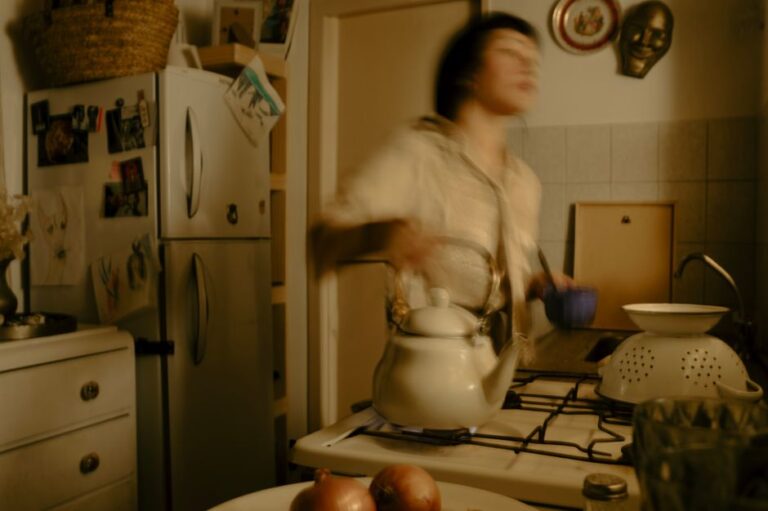

Sundowning is the pattern of increased confusion, restlessness or agitation in the late afternoon and early evening that many people with dementia experience. It is common, it is exhausting for whoever is there, and it is somewhat predictable, which is the useful part.
What we have seen help
- Light. Open the curtains in the afternoon and turn the lamps on before it gets dim, not after. In an Edmonton January that means lights on by three.
- A quiet, boring routine from four o’clock. No visitors, no television news, no big decisions.
- Food and drink earlier. Hunger and dehydration make everything worse.
- One familiar person. This is the reason we schedule the same caregiver for sundowning hours rather than whoever is free.
What does not help
Arguing about what is real. If your mother is asking to go home when she is already home, she is telling you she feels unsafe, not asking for directions. Reassurance works better than correction.
How we schedule it
When sundowning is the problem, we book the caregiver from three or four in the afternoon through the evening meal, rather than a morning visit that suits the roster. That is the whole point of building the plan around the worry rather than the service list.